
Cute Christmas Tree Ideas: From Gingerbread to Pastel
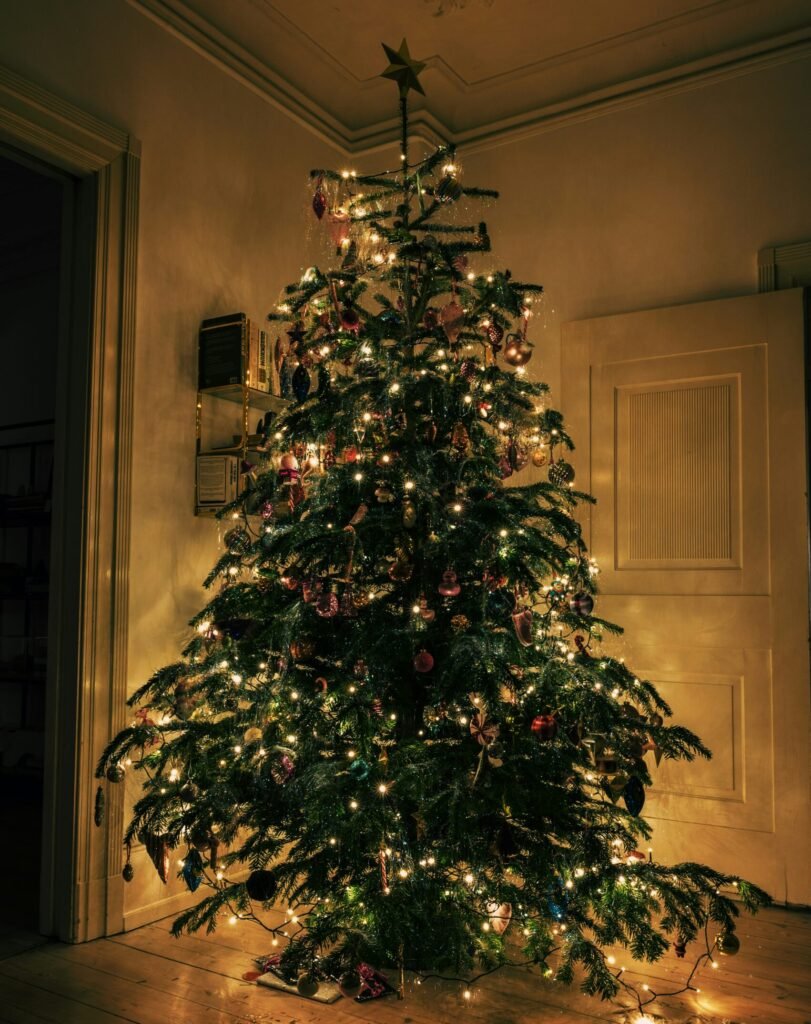
About 83% of U.S. households putting up a tree this year chose an artificial one, according to an American Christmas Tree Association survey (reported by TODAY, 2025). That matters if you want a cute Christmas tree, because a reusable tree is a blank canvas you can theme once and refine for years.
The trouble is the blank canvas itself. Most people stare at 400 ornaments and six spools of ribbon, then end up with something busy instead of cute. Been there.
This guide fixes that. You’ll get five themes, two simple methods that keep any cute Christmas tree cohesive, and honest notes on what each look costs in time and effort. It’s written for parents, renters, and anyone decorating on a budget.
Key Takeaways
- Pick three colors before you buy a single ornament (the 3-2-1 Method below).
- Gingerbread and candy land suit kids best. Pastel vintage suits adults who want calm.
- A mini tree under 3 feet works on a shelf, desk, or console table.
- Lights cause most tree fires, so test every strand first (NFPA data below).
- A cute Christmas tree gets cheaper when DIY ornaments do the heavy lifting.
- Artificial trees cost roughly 10 to 20% more in 2025 because of tariffs, so buy early.
Ready? Here’s the map.
Table of Contents
- What Makes a Cute Christmas Tree Cute?
- Gingerbread and Candy Land Themes
- Pastel Vintage and Retro Tinsel Looks
- Kid Friendly Trees and Easy DIY Ornaments
- Mini and Small Space Cute Christmas Tree Ideas
- Lights, Safety, and Storage Basics
- Comparison Table
- FAQ
What Makes a Cute Christmas Tree Cute?
Quick Answer: Cute comes from restraint. Three colors, one playful theme, and small handmade details beat a tree stuffed with every ornament you own.
A cute Christmas tree is defined as a decorated tree that relies on soft or playful colors, small charming details, and a single consistent theme rather than ornament volume.
The 3-2-1 Method
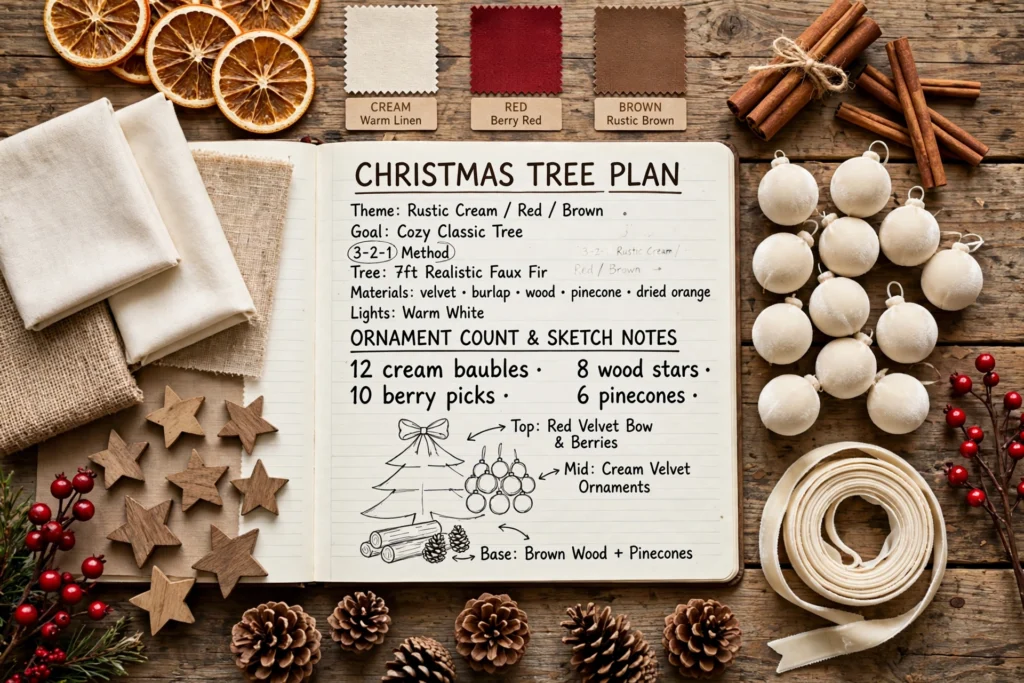
The 3-2-1 Method is a framework for keeping any theme cohesive: 3 colors, 2 textures, 1 hero ornament repeated. It stops the “everything on the tree” problem. The method keeps every cute Christmas tree readable from across the room.
- Choose 3 colors (say cream, red, and brown).
- Choose 2 textures (glossy plus felt, or glitter plus wood).
- Choose 1 hero ornament and repeat it 12 to 20 times.
- Fill the remaining gaps with ribbon in your main color.
- Step back 6 feet and squint. Anything that jumps out goes.
Pro Tip: Got a mixed box of hand-me-down ornaments? Dump it on a bedsheet and sort by color first. Anything outside your three colors moves to a small tree in the hallway or kids’ room. Nothing gets thrown out, and the main tree still looks intentional.
Q: How many ornaments does a 6-foot tree need? A: A common rule is 30 to 50 for a lighter look and up to 100 for a fuller one, but this is a rule of thumb, not a tested figure.
The Cost Reality Check
Artificial trees at major retailers run from about $64 to over $600 depending on height and size (FOX 13, 2025). The same report says the American Christmas Tree Association estimated artificial trees would cost 10 to 20% more in 2025 due to tariffs. Finder puts the average artificial tree at $126.20 in 2025 (Finder, 2025).
Honest tradeoff: themed trees can cost more than a “throw everything on” tree because you buy matching sets. DIY closes that gap.
Gingerbread and Candy Land Themes
Cute Gingerbread Christmas Tree Theme
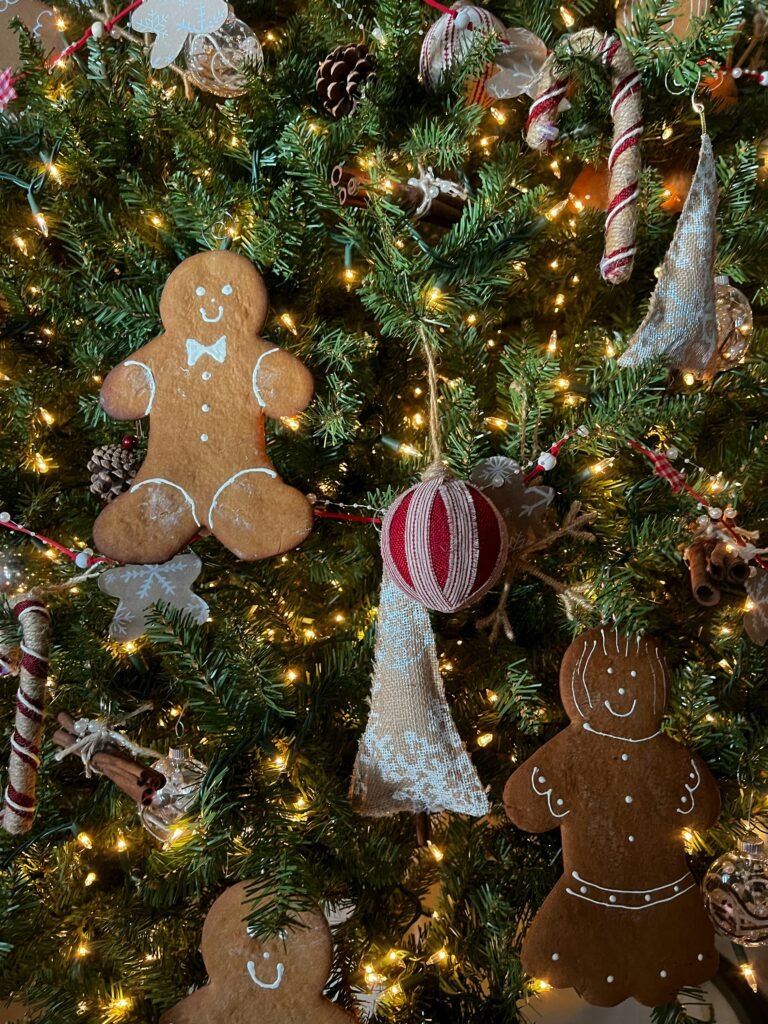
Gingerbread is warm, forgiving, and easy to DIY. Think brown, cream, and red gingham ribbon, with cookie-shaped ornaments and white pom-pom garland as “icing.”
Salt dough cookie ornaments (about 3 hours, mostly hands off):
- Mix 2 cups flour, 1 cup salt, and about 1 cup water into a smooth dough.
- Roll to roughly 1/4 inch and cut shapes.
- Poke a hanging hole with a straw.
- Bake at 250°F for 2 to 3 hours until fully hard.
- Cool, then paint or leave natural and seal.
Pro Tip: Poke the hole before baking, not after. Dough that’s already hard will crack, and you’ll lose half your batch.
Cute Candy Land Christmas Tree Ideas
Candy land means peppermint swirls, lollipop shapes, and a pink, red, and white palette. Use faux candy. Real candy attracts ants, and chocolate is toxic to dogs, so it’s a poor choice in pet homes.
Q: What colors work for a candy land tree? A: Red, white, and soft pink form the classic base, with mint green as a fourth accent if you want a slightly fresher feel.
Mini case study (illustrative, not a real client): A family swaps a 100-piece mixed ornament set for a 3-color gingerbread palette with 15 salt dough cookies as the hero ornament. Cost is mostly flour and paint, and the tree reads as one theme instead of a pile.
Pastel Vintage and Retro Tinsel Looks
Cute Vintage Pastel Christmas Tree
Pastel vintage uses blush pink, mint, baby blue, and cream. Shatterproof glass-look ornaments and warm white lights keep it cozy instead of icy. Cool white lights on pastels tend to look clinical, so choose warm.
Retro Whimsical Tinsel Theme
For a retro whimsical Christmas tree theme with tinsel, drape strands loosely from the top down in silver or pink, then add bubble lights or oversized round baubles. Honestly, this is the most forgiving theme for imperfect placement, since tinsel hides gaps.
Caution: cats often chew tinsel, and swallowed tinsel is a vet emergency. If you have cats, keep tinsel to the upper half or skip it.
Q: Does pastel work on a real tree? A: Yes, but pastels show against dark green needles as high contrast, so an artificial white or flocked tree gives a softer, more vintage result.
Limitation: Pastel and white trees show dust and lint fast. Plan a quick wipe before storage.
Kid Friendly Trees and Easy DIY Ornaments
A cute Christmas tree for kids has to survive small hands. Use shatterproof ornaments low and keep breakables high.
The Kid Zone Layer Rule
The Kid Zone Layer Rule splits the tree into thirds. The lower third holds handmade or unbreakable ornaments kids can move freely. The middle third holds shared favorites. The top third holds adult keepsakes.
Easy DIY Ornaments for Kids
- Pom-pom snowmen: three glued pom-poms and a felt scarf.
- Paper chains: strips of colored paper and tape, ideal for ages 3 and up.
- Painted wood slices: acrylic paint, sealed once dry.
- Bead candy canes: red and white beads on a bent pipe cleaner.
Q: What’s a good first ornament craft for a toddler? A: Paint on a pre-cut wood slice. It needs no scissors, and the mess is easy to contain on a covered table.
Pro Tip: Write the child’s name and year on the back with a paint pen. In five years, that tag becomes the ornament people actually fight over.
Mini and Small Space Cute Christmas Tree Ideas
Small homes don’t have to skip the tree. A tabletop tree under 3 feet fits a console, bookshelf, or windowsill.
[IMG: cute Christmas tree on a small apartment console table with battery lights]
The Scale Ladder
The Scale Ladder matches ornament size to tree height: under 2 feet, use ornaments of 1 inch or less. From 2 to 3 feet, use up to 1.5 inches. Oversized ornaments make a mini tree look crowded.
Setup steps:
- Measure the surface and leave 3 feet of clearance from heaters.
- Raise the tree on a stack of books for height.
- Add battery-powered micro LED lights (no outlet needed).
- Choose 20 to 30 tiny ornaments in your 3 colors.
- Top with a small bow instead of a star.
Q: Where do mini trees go in a studio apartment? A: A console table, a deep windowsill, or a shelf at eye level, provided the spot is away from radiators and doesn’t block an exit.
Lights, Safety, and Storage Basics
Lights are the risk to watch. NFPA data cited by Fire & Safety Journal Americas (2024) shows an average of 155 Christmas tree home structure fires a year from 2018 to 2022, and 41% involved electrical distribution or lighting equipment. The same source notes fresh trees pose a higher fire risk than artificial ones.
The newer NFPA average for 2020 to 2024 is 143 fires, with 35% of them happening in January (International Fire & Safety Journal, 2025). Translation: take the tree down on time.
Before you decorate any cute Christmas tree:
- Plug in every light strand and check for dead sections.
- Discard cracked wires.
- Keep the tree at least 3 feet from heat sources.
- Unplug lights at bedtime.
Q: Are artificial trees fire safe? A: They’re lower risk than fresh trees, but not zero risk. Lights and candles remain the main ignition sources.
Cute Christmas Tree Comparison: Top Options at a Glance
Prices are relative and ratings are editorial (effort and cuteness out of 5), not sourced data. Verify before publishing.
| Option | Key Feature | Best For | Price (relative) | Rating |
|---|---|---|---|---|
| Gingerbread | Warm browns, cookie ornaments | Families, DIY lovers | $ | 4.5/5 |
| Candy Land | Peppermint, pink and red | Young kids | $$ | 4/5 |
| Pastel Vintage | Blush, mint, warm lights | Adults, calm look | $$$ | 4.5/5 |
| Retro Tinsel | Silver strands, big baubles | Nostalgia, quick setup | $ | 4/5 |
| Mini Tabletop | Under 3 feet, battery lights | Apartments, dorms | $ | 4/5 |
Our pick: Gingerbread. It costs the least, kids can help make it, and it forgives mistakes.
Want more styling ideas? Read our elegant Christmas tree decorating ideas, white Christmas tree ideas, and how to decorate a Christmas tree.
FAQ
1. What is a cute Christmas tree? It’s a tree styled around soft or playful colors and one theme. Think gingerbread, pastel, or candy land. The look depends on a tight palette and small handmade details, not on how many ornaments you own or how expensive they were.
2. How do I decorate a cute Christmas tree on a budget? Use three colors and make your own ornaments. Salt dough, pom-poms, and paper chains cost a few dollars total. Ribbon fills gaps cheaply, which means you avoid buying dozens of matching baubles at retail prices.
3. What are good Christmas tree ideas for kids? Gingerbread, candy land, and pom-pom snowmen work best. Keep unbreakable ornaments on the lower third and adult keepsakes on top. Kids get to decorate freely, and nothing valuable sits within grabbing distance.
4. What’s the best way to fit a tree into a small apartment? Use a mini tree under 3 feet on a console table or shelf. Battery lights remove the outlet problem. Keep it 3 feet from radiators and make sure it doesn’t block a door or walkway.
5. Is an artificial tree worth it? Usually, yes. ACTA’s Jami Warner says by the second or third year, the tree has essentially paid for itself (FOX 13, 2025). The tradeoff is upfront cost and no pine scent.
6. How much does a tree cost? Artificial trees range from about $64 to over $600. Finder’s 2025 average for artificial trees is $126.20, compared with a forecast of $83.87 for a real tree (Finder, 2025). Your ornament budget is separate.
7. Gingerbread or candy land, which is better? Gingerbread suits most homes because the warm palette blends with wood and neutral decor. Candy land is bolder and best for kids’ rooms or playrooms. If you’re unsure, start with gingerbread and add candy accents later.
8. Why does my themed tree still look messy? Usually there are too many colors or uneven ornament spacing. Reduce to three colors, then apply the 3-2-1 Method. Also check that a cute Christmas tree has ornaments at different depths, not just on branch tips.
Conclusion
Three things matter most. First, limit yourself to three colors, because that one rule does more than any purchase. Second, match the theme to the people in your home: gingerbread for families, pastel for calm, mini for tight spaces. Third, check your lights before anything else goes on.
A cute Christmas tree doesn’t need a big budget. It needs a plan and a few handmade touches. Explore more looks in our tree decorating guides.
Next steps (10 minutes):
- Pick your three colors and write them down.
- Test every light strand.
- Choose one DIY ornament and gather the supplies.
Author Bio
Author is an interior designer behind homedecoreed.com, a home decor site built around practical, budget friendly styling ideas. Seasonal decor, Christmas trees, and small space styling are recurring topics, and every guide is written around how real rooms and real families actually live. Color palettes, ornament ratios, and layouts get tested before they’re recommended, and each article is updated when prices, trends, or safety guidance change. Have a room you’d like help styling? Get in touch through the site.
References
- TODAY: Why My Fake Christmas Tree is Better Than Your Real One (2025)
- FOX 13: Real vs. fake Christmas trees, an expert guide (2025)
- Finder: Cost of a Christmas Tree (2025)
- Supply Chain Dive: Holiday shoppers, tariffs and artificial trees (2025)
- Fire & Safety Journal Americas: NFPA Christmas tree fire advice (2024)
- International Fire & Safety Journal: NFPA January fire warning (2025)